For buyers · Sourcing
Source from local farms.
The farms set the price and the terms. You bring the need; the desk carries it to the farm; the farmer confirms every order before anything moves. Nothing here is a checkout — a request is a conversation, held to the farm's own standard.
Who sources here
Restaurants & food businesses
A kitchen that cooks from named gardens carries a different menu — and a different story at the table. Source the week from farms whose lists you can read before you write yours.
Hotels
In-room, banquets, the chef's table downstairs — a hotel that can name its farms feeds its guests a place, not a supply chain.
Chefs
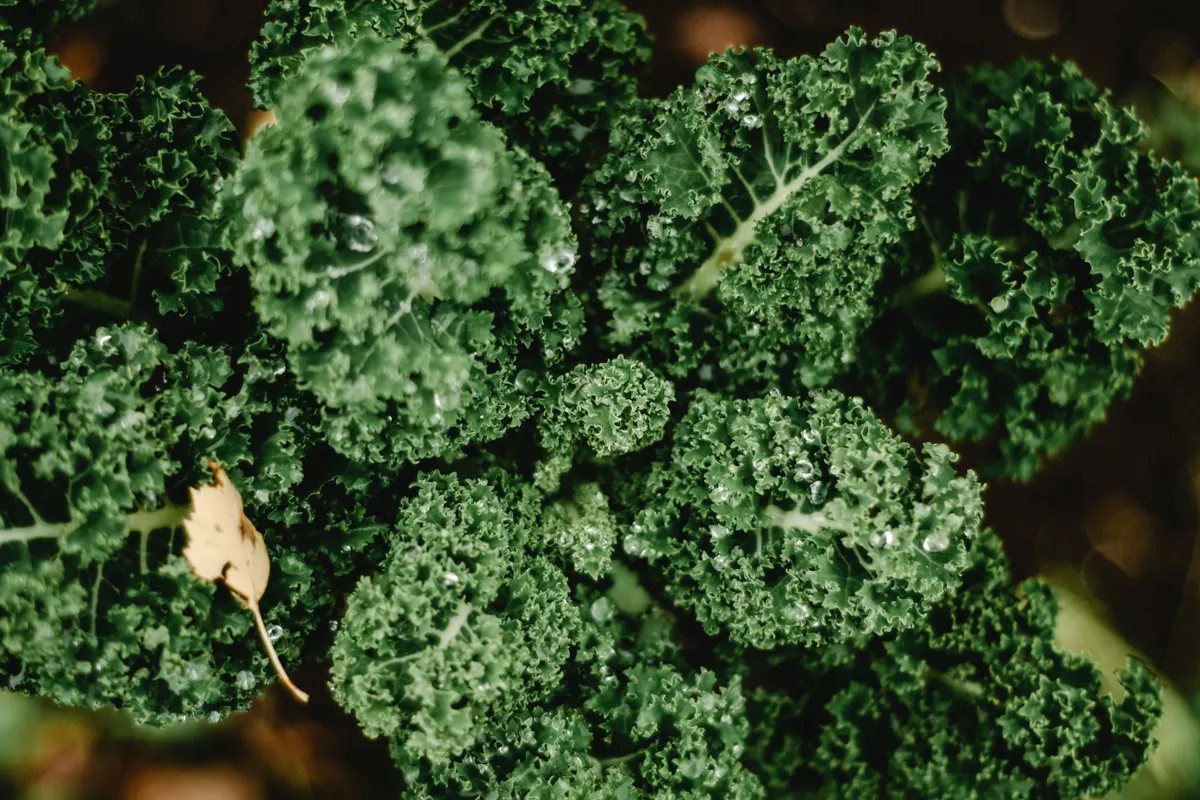
Private chefs and caterers build a menu around what a farm is actually picking. The Harvest Cards show the week as the farm sees it — crops, quantities, the farm's prices.
How sourcing works
One
Read the Harvest Cards
Each card is the farm's own list — what they're picking, in their quantities, at their prices, updated by the farm itself.
Two
Send one request
Name the farm or the item — or describe the need and let the desk match it. One form: what you need, how much, how often, and where it goes.
Three
The farmer confirms
Quantities are the farm's field estimates, and weather is real. The farmer confirms every order personally — nothing is charged, promised, or picked until they do.
On the farm's terms
The farmer names their price, and the farmer's price is the price.
A request is never a purchase and never a promise — it opens a conversation between your kitchen and their field, and Farm2Chef keeps that conversation honest. Contact details stay private on both sides until a sourcing arrangement is real.